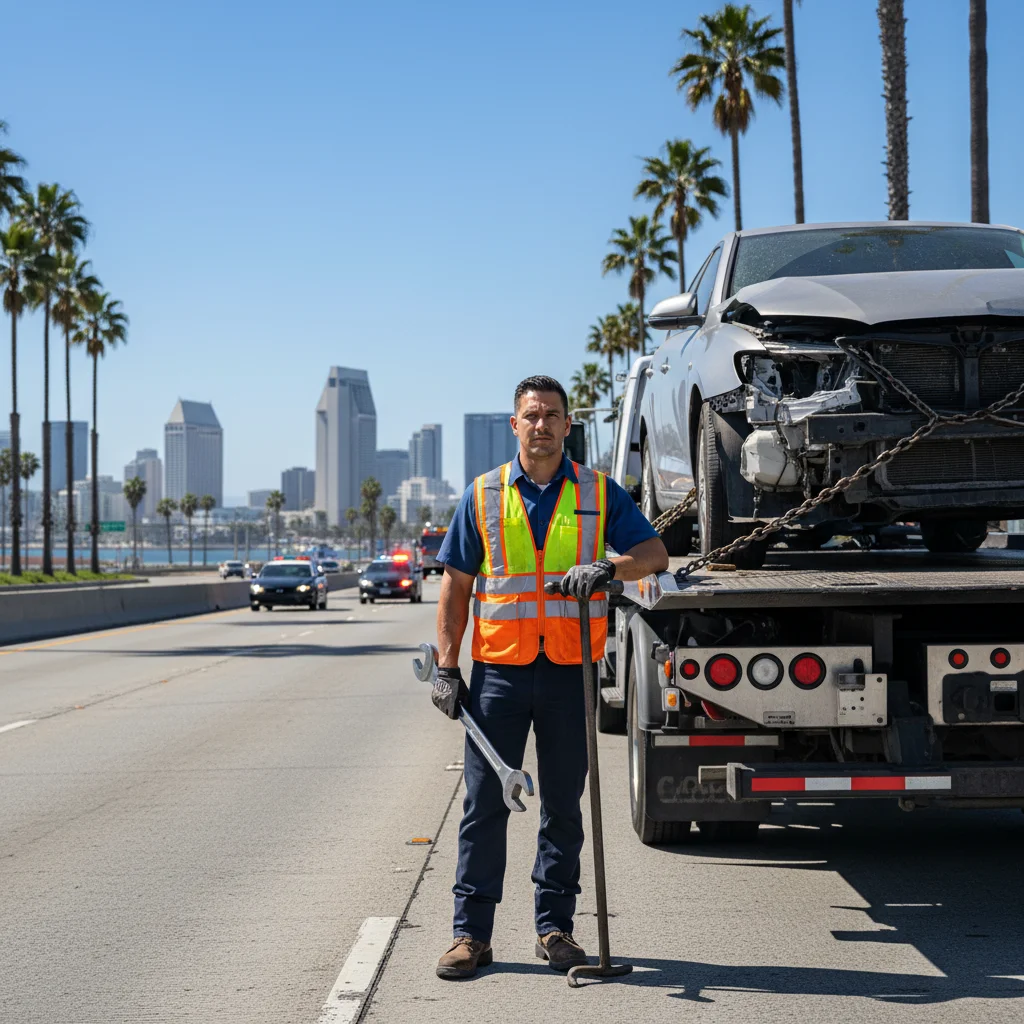
Call (915) 615-2224 and get the tow moving first. Sort out who pays for it after. That’s the honest order of operations, whether you’re stuck on I-10 in the heat or sitting in a Lower Valley driveway with a car that won’t start. Insurance coverage for towing depends entirely on what’s written into your policy, and figuring that out from the shoulder of the freeway isn’t a good use of anyone’s time.
Here’s the short version: some policies cover towing automatically, some cover it only after an accident, and some don’t cover it at all. Which one you have changes what happens next.
The three ways towing gets covered
Auto insurance in Texas isn’t one-size-fits-all when it comes to tows. There are basically three lanes.
Roadside assistance or towing-and-labor coverage. This is an add-on rider, not a standard part of most policies. If you paid extra for it, it typically covers a set number of tows per year (often to a nearby shop or your home) plus things like lockouts, jump starts, and flat tire changes. Breakdown, dead battery, flat, locked out. None of that requires a collision.
Comprehensive or collision coverage. If you were in a wreck and your car isn’t drivable, the tow away from the scene is commonly rolled into the same claim as the vehicle damage. Comprehensive or collision pays it, usually minus your deductible. This is the coverage most people lean on after a real crash, and it’s worth reading what to do after a car accident on I-10 so you handle the scene correctly before the insurance conversation even starts.
Liability-only coverage. Texas only requires liability insurance to legally drive, and liability by itself does not include towing. It covers damage you cause to other people and property, not a tow for your own vehicle. If this is your policy and you didn’t add a roadside rider, you’re paying for the tow yourself and there’s no reimbursement path.
How reimbursement actually works
If you do have towing coverage, you’re usually not handing your insurance card to the tow driver like a debit card. Most of the time you pay at the time of service, keep the itemized receipt, and file a claim afterward for reimbursement up to whatever your policy allows.
A few things to have ready when you call your carrier: the date and time of the tow, the towing company’s name, the total charged, and a copy of the receipt showing mileage, storage days if any, and the service performed. Insurers process these fast when the paperwork is clean and slow when it isn’t.
What counts as a “reasonable” tow charge
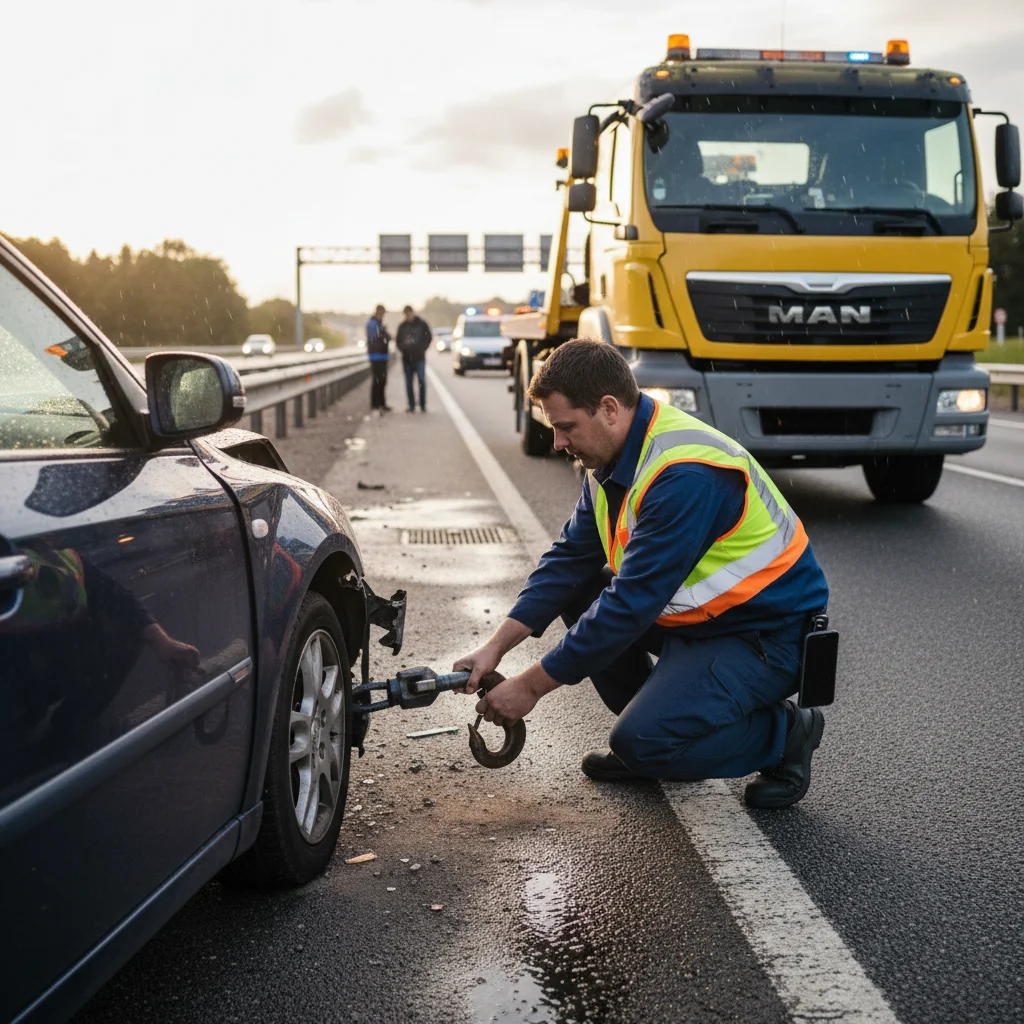
Your insurer will usually reimburse a reasonable towing charge, but “reasonable” isn’t a made-up word. Texas actually puts a hard ceiling on it for nonconsent tows. Under 16 TAC 86.455, the legal maximum is $272 for a light-duty tow (vehicles 10,000 lbs or less), $380 for medium-duty, and $489 per unit for heavy-duty. Storage adds up separately, capped statewide at $22.85 a day for vehicles 25 feet or less and $39.99 a day for anything longer.
Those numbers are ceilings, not what a typical tow costs. A straightforward flatbed pull across town usually runs well under the cap. If you want the fuller breakdown of what actually drives the price on a given call, how much a tow costs in El Paso covers it. The point here is different: if a receipt ever comes in above these legal limits on a nonconsent tow, that’s a red flag worth questioning, and what a cheap tow actually means in El Paso walks through those TDLR caps in more detail.
West Side, Northeast, Lower Valley: the reality on the ground
Nobody stranded off Sunland Park or waiting near Fort Bliss on the Northeast side is thinking about deductibles in the moment. You’re thinking about the heat, the traffic on I-10, and getting your car somewhere safe. That’s the right instinct. Call first, tow first, and let the coverage question happen once the vehicle is off the road.
This is also why it helps to know ahead of time what you’re carrying. Pull up your declarations page once, when you’re not stressed, and check for a line that says “roadside assistance” or “towing and labor.” If it’s not there, you’re liability-only for towing purposes and paying out of pocket is the plan, not a surprise.
Frequently asked questions
Does full coverage automatically include towing? Not always. “Full coverage” usually means comprehensive and collision on top of liability, and that covers a tow after a covered accident. It doesn’t automatically include roadside towing for a breakdown or flat tire unless you added that rider separately.
What if I don’t know what my policy covers? Call your insurance agent or check your declarations page before you need a tow, not during. If you’re already stranded, don’t wait on hold. Call us at (915) 615-2224, get moving, and sort the coverage question with your carrier afterward.
Can the tow company bill my insurance directly? Some can for accident-related tows tied to a claim number, but most roadside and breakdown tows are pay-first, reimburse-later. Ask when you book so there are no surprises.
Will my rates go up if I file a towing claim? That depends on your carrier and whether the claim is tied to an at-fault accident. A standalone roadside tow claim is generally treated differently than an accident claim. Your agent can tell you exactly how your policy handles it.
The bottom line
Figure out coverage on your own time. Don’t figure it out while you’re standing on the shoulder in El Paso traffic. If you need help with roadside assistance or accident recovery right now, call (915) 615-2224. We’ll get your car handled first and hand you a clean, itemized receipt you can take straight to your insurance company.